

Trauma Recovery
 Here we go again.
It is Monday morning, and your alarm goes off for school. You have to get yourself up, get ready for school, pack your lunch, and see yourself off. And to make matters worse, when you get to school, you have no one who is waiting to talk to you.
You know you will sit alone in the cafeteria. You know you will get picked last for teams in PE. And you know you will play by yourself at recess. You just don’t feel like you fit in anywhere.
Thankfully…
You have music today, and you really like your music teacher. They make the room light up for you. Additionally, you love to sing, so it makes that class period extra special.,,
…even though at the end of the day you will go home to an empty house.
While we do not truly understand exactly what this young person is finding to be the traumatic part of their story, trauma is a fact of life. It is possible they feel neglected by the parent(s) not being there, or they feel lonely at school. And it is also possible they like to be alone, but do not do well athletically or in their other subjects. Just as we cannot truly define this young person’s trauma, as we are not them, I cannot define yours.
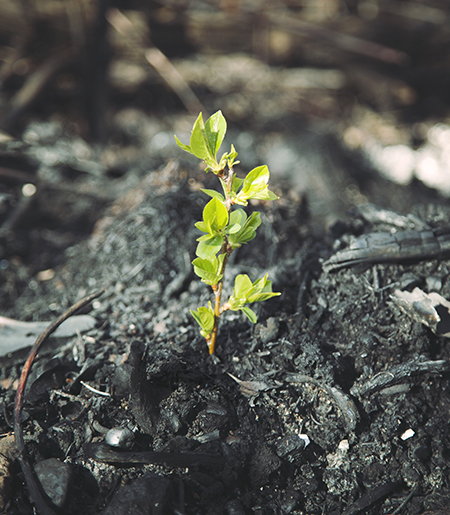 No one lives without experiencing trauma at some level.
Every single one of us can point to a piece of our past that felt devastating and overwhelming. It could be from a natural disastor or a man made situation. Regardless of the dynamic of that trauma we all feel feelings that are similar:
- physically: fatigue, mental and physical weariness, potential illness, tense muscles, upset stomaches, headaches, etc.
- emotionally: anxiety, fear, loneliness, depression, anger, rejection, abandonment, etc.
- mentally: inability to concentrate, negative self-talk, shame, thoughts running a “mile a minute,” forgetfulness, etc.
Science has long understood the connection between the brain and the body. Thanks to Dr. Bessel Van Der Kolk, we are beginning to better understand the body on trauma. His well-known book, “The Body Keeps the Score” further explores that connection and what is occurring as well as pathways towards recovery.
Take the time to explore your trauma and learn a new way of thinking about it.
In therapy, we will explore the affects you feel from your trauma. We will explore the brain/body connection and what your body acts like with trauma. And finally, together, we will make a plan to move you toward recovery.
Possible therapeutic techniques we may use are: Brain-Body Connection, Body calming (somatic) work, Meditation and/or yoga techniques, and Sand Tray Work.